

Why Does Soft Washing Last Longer on Some Exterior Surfaces Than Pressure Washing?
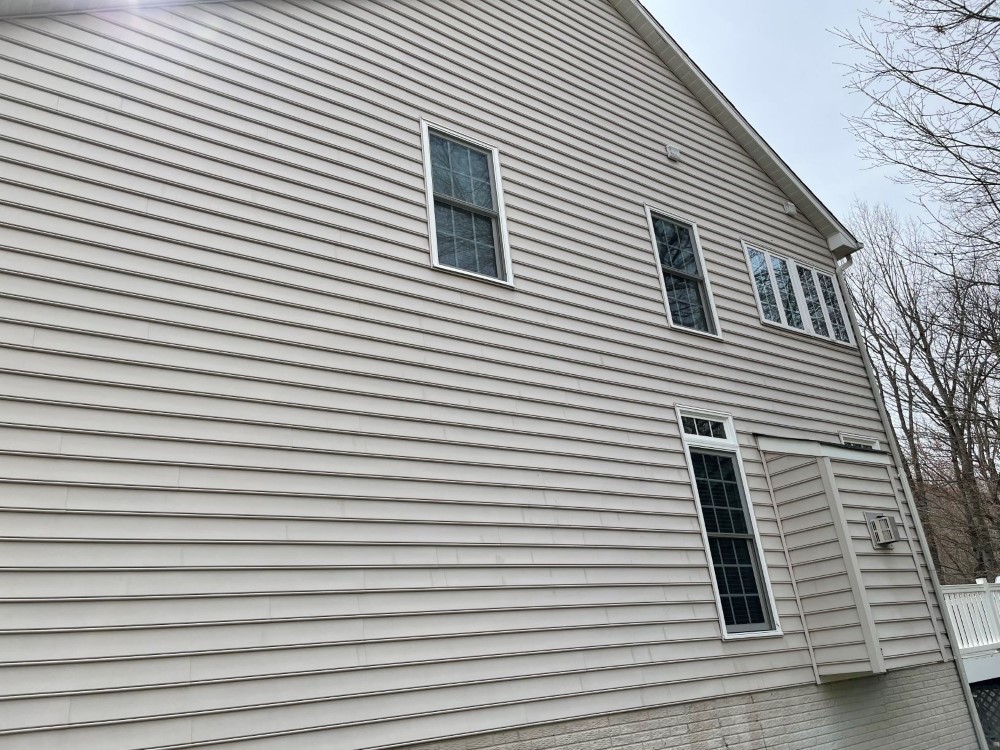
Homeowners often compare soft washing vs pressure washing when they want a clean exterior that actually stays clean. Around Frederick, MD, many surfaces respond better to soft washing because it treats the cause of stains, not just the symptoms. If you want results that look fresh longer and protect your home’s finishes, it pays to understand when low pressure with the right solution outperforms high pressure with plain water. For delicate or textured areas, our soft washing service is designed to give you a deeper, longer-lasting clean without risk to your home.
Soft washing uses a controlled, low-pressure rinse paired with specialized detergents that break apart organic growth like algae, mildew, and lichen. Pressure washing relies on force to strip away what you see on the surface. On materials that absorb moisture or have texture, the difference matters. One method clears the roots of the problem. The other can leave tiny leftovers behind that grow back fast.
Soft Washing vs Pressure Washing in Frederick, MD: What Lasts Longer?
In our region, shade from mature trees, four true seasons, and humid summers fuel fast organic growth on north-facing sides and areas near the Monocacy and clustered woodlots. That is why many Frederick homeowners searching for soft washing vs pressure washing in Frederick, MD end up choosing a soft wash plan on specific materials. It targets the organisms that cause stains, so the clean surface tends to stay bright for a longer stretch between professional visits.
- Soft washing lasts longer on porous or delicate materials that can host algae spores: asphalt shingles, vinyl and painted siding, stucco or EIFS, and painted wood.
- Pressure washing can be a good fit for hard, durable surfaces that do not absorb water easily: concrete driveways and some masonry when cleaned correctly.
Why Soft Washing Results Often Last Longer
Think of it like laundry: blasting a shirt with water might remove dirt, but a pretreatment breaks down the stain so it washes away and stays away. Soft washing works the same way for your exterior. Here is why it keeps surfaces cleaner longer.
It Removes the Source of Stains
Those black roof streaks and green siding patches are living organisms. A soft wash applies a detergent blend that penetrates surface pores and neutralizes the algae and mildew at their roots. With the source removed, regrowth is slower and you enjoy the clean longer.
It Preserves Protective Coatings
High pressure can nick paint, lift granules from shingles, or etch soft woods. Once that protective layer is scarred, tiny grooves trap moisture and spores, which speeds up the return of discoloration. Soft washing keeps coatings intact, so surfaces resist buildup over time. High pressure can scar wood and stucco, which invites faster regrowth.
It Uses Dwell Time Instead of Force
The cleaning solution needs time to work. That dwell time breaks the bond between the growth and the surface. A gentle rinse then clears the residue away, leaving fewer leftovers that could spark a quick comeback.
Surface-by-Surface Guidance for Frederick Homes
Roofs: Asphalt Shingles and Wood Shakes
The black streaks on shingles are often caused by gloeocapsa magma, a hardy algae that thrives in humid Mid‑Atlantic summers. Soft washing neutralizes these streaks without damaging shingle granules. Never use high pressure on asphalt shingles because it can shorten roof life and void warranties. When your roof needs attention, consider professional roof cleaning that uses the correct soft wash process for Frederick’s climate.
Siding: Vinyl, Painted Wood, and Fiber Cement
Textured laps and seams collect pollen, dust, and spores. Soft washing flows into those gaps and lifts the grime out, so you get a uniform finish with fewer striping marks. Pressure alone may leave faint lines where the wand overlapped, which can look clean for a week or two then show streaks again.
Stucco and EIFS
These finishes are beautiful but sensitive. Water can be forced behind the surface if the spray is too strong. Soft washing treats the biofilm on top without driving moisture into the wall system. High pressure on stucco can drive water behind the finish and cause damage.
Fences and Decks
Softwoods like pine or cedar can fuzz when hit with strong pressure, which opens more fiber for mildew to grab. A soft wash approach cleans the surface while protecting the grain, so the deck or fence stays bright longer once sealed or painted.
Concrete and Pavers
These can handle more pressure, but the longest-lasting results still come from pairing appropriate pressure with detergents that lift organics and tire marks. In shady areas of Worman’s Mill, Spring Ridge, and similar neighborhoods with mature trees, pretreating organic growth slows its return after the rinse.
What Actually Shortens or Extends the Clean
- Shade and tree cover: more shade equals more moisture retention, which accelerates algae.
- Surface texture and porosity: tiny pores act like anchors for spores unless a detergent breaks the bond.
- Coating health: intact paint or shingle granules resist buildup better than surfaces scuffed by high pressure.
- Orientation: north and east faces in Frederick neighborhoods stay wetter and cool longer, so they need soft washing more often.
- Nearby water and landscaping: irrigation overspray and mulch beds keep siding damp, encouraging faster return of green film.
How To Tell If the Job Was Done Right
Look for an even, natural color without stripes or wand marks. Edges and seams should be clean, not just the easy-to-reach centers. Wood should lie flat and smooth, not fuzzy. If you see lines or tiger‑striping after a wash, too much pressure was used and the clean may not last.
Why You Saw Fast Regrowth After a “Blast and Rinse”
Pressure removes visible grime, but it can skip the microscopic roots of algae and mildew. On siding in shaded areas of Ballenger Creek or Lake Linganore, those leftovers re-bloom within weeks. Soft washing targets these roots with a solution that reaches into pores, so the clean typically lasts through more rain cycles and humid spells.
Care Schedules That Keep Frederick Homes Looking New
Every property is unique. The ideal schedule varies by surface, tree cover, and how much shade your home gets through a Frederick season. Here is a practical baseline you can discuss with a pro:
Roof shingles: Often every 2 to 3 years in shaded lots, longer in full sun, using a soft wash process that protects granules.
Siding: About every 12 to 24 months depending on exposure. Soft washing keeps the pores clear, which slows the return of film.
Stucco/EIFS and painted wood: Typically every 12 to 18 months with a gentle solution and rinse to preserve the finish.
Concrete and pavers: Annually, or after winters with heavy deicing. Pretreatment helps keep joints from greening up again quickly.
For a deeper walkthrough of methods and timing, see our homeowner-friendly guide to soft washing. It explains how low pressure with the right chemistry can extend that just‑cleaned look across seasons.
Common Myths We Hear Around Frederick
“Higher pressure means a deeper clean.” On many home surfaces, it means the opposite. It can rough up the finish so grime sticks faster. Soft washing uses chemistry to do the heavy lifting, which is why the clean lasts.
“All detergents are harsh.” Professional blends are measured for the surface and thoroughly rinsed. They are chosen to remove organic growth safely without stripping finishes. That targeted approach is what slows the return of stains.
“If it looks bright now, it will stay that way.” Not always. The question is whether the job treated the source, not just the surface. Soft washing focuses on the root cause so the brightness holds up longer.
When Pressure Washing Still Makes Sense
There are times when more pressure is appropriate, like heavy soil on concrete or certain stone. The key is matching method to material. For mixed projects in Frederick, your technician may use a combination: a soft wash for the house and a higher-pressure clean for the driveway. The goal is long-lasting curb appeal without risking damage to the home.
Ready for Longer-Lasting Curb Appeal?
If your siding, roof, or stucco is showing streaks or green film, soft washing is likely the smarter choice for a clean that endures. Many homes in Frederick’s tree-lined neighborhoods benefit from this approach because it treats the root problem and protects the finish. Talk with Eco Bright Exteriors about the right plan for your property and see why neighbors choose our professional soft washing for delicate and textured surfaces.
Latest Articles & Tips
-
What Makes Driveways and Walkways Lose Their Clean Appearance So Quickly?
Ever notice how a driveway or sidewalk looks amazing right after it’s cleaned, then seems dingy again a few weeks later? If you live around Frederick’s humid summers and busy commuter life, that’s no surprise. The combination of porous concrete, local weather patterns, and daily traffic […]
-
Why Do Clean Windows Change the Look of a Property So Much?
Clean, streak-free windows can make a home or storefront feel brand new. When the glass is clear, light pours in, colors pop, and every finish looks sharper. That is why exterior window cleaning in Frederick, MD is one of the fastest ways to lift curb appeal […]